
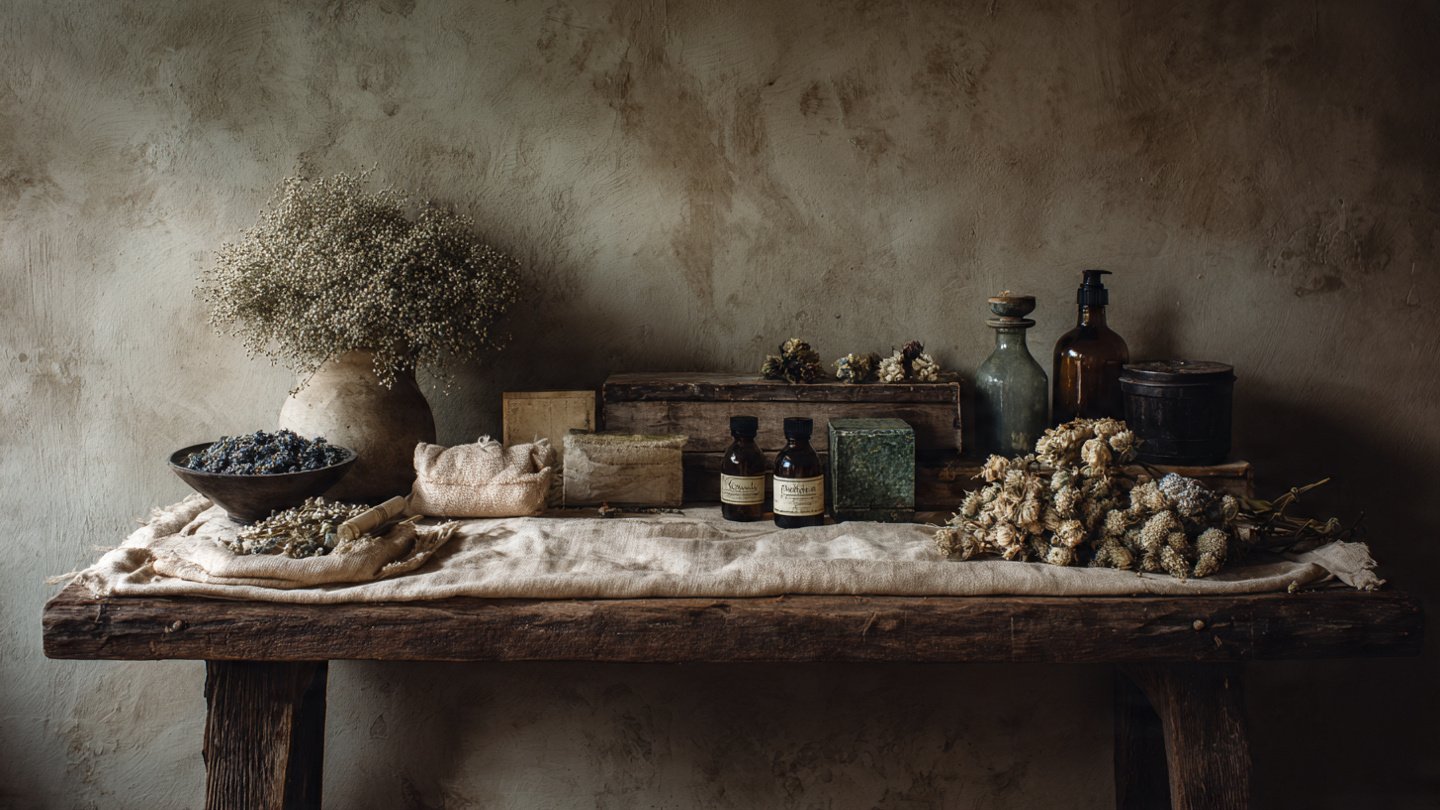
The Difference Between Handmade and Truly Handcrafted
Not everything made by hand is handcrafted.
The distinction may seem subtle, but it defines the difference between novelty and mastery.
Handmade often describes the method.
Handcrafted describes the mindset.
A handmade product can still follow a rigid formula—repeating the same steps without interpretation, without adaptation. A handcrafted product, however, is shaped by judgment. It responds to variables. It respects materials as they are, not as they are expected to be.
This is especially true in small-batch work.
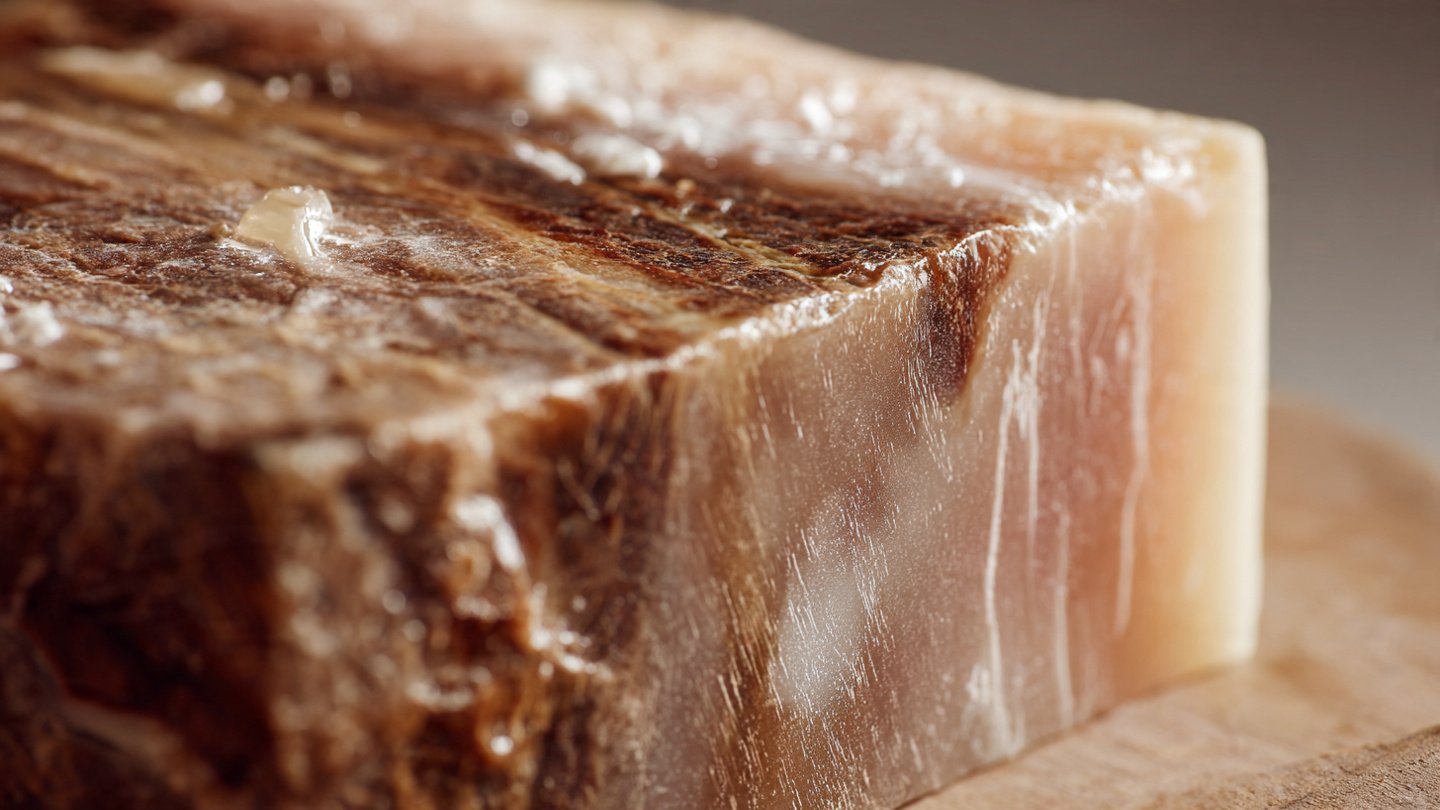
Natural ingredients behave differently each time. Oils change with temperature. Botanicals shift with season. No two batches are identical, and a craftsperson must respond intuitively, not mechanically.
That intuition is learned slowly.
True craft is not about control; it is about attentiveness. Knowing when to intervene and when to let the process unfold. Understanding that variation is not a flaw, but a signature.
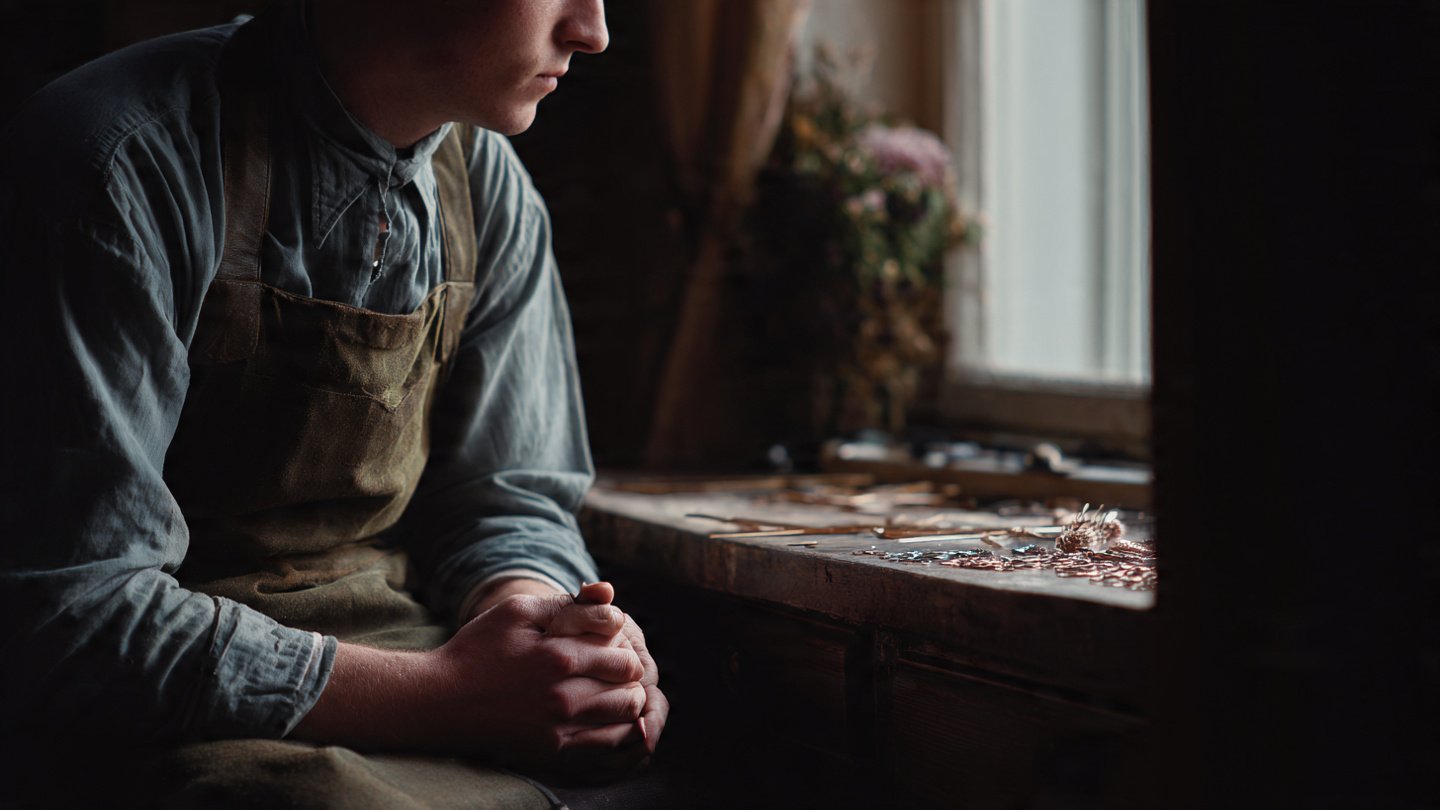
In an age of automation, this approach may appear inefficient. Yet it is precisely this inefficiency that gives handcrafted objects their depth. Their individuality. Their quiet confidence.
When you hold something truly handcrafted, you sense its human origin—not through imperfection, but through intention.
That intention cannot be replicated at scale.
And that is why handcrafted objects are not meant for everyone. They are meant for those who value process as much as outcome. Who understand that refinement is earned, not manufactured.
Craft, at its highest level, is not an aesthetic choice.
It is a commitment.