
Materials With Memory
On why true craft listens to materials rather than forcing them.
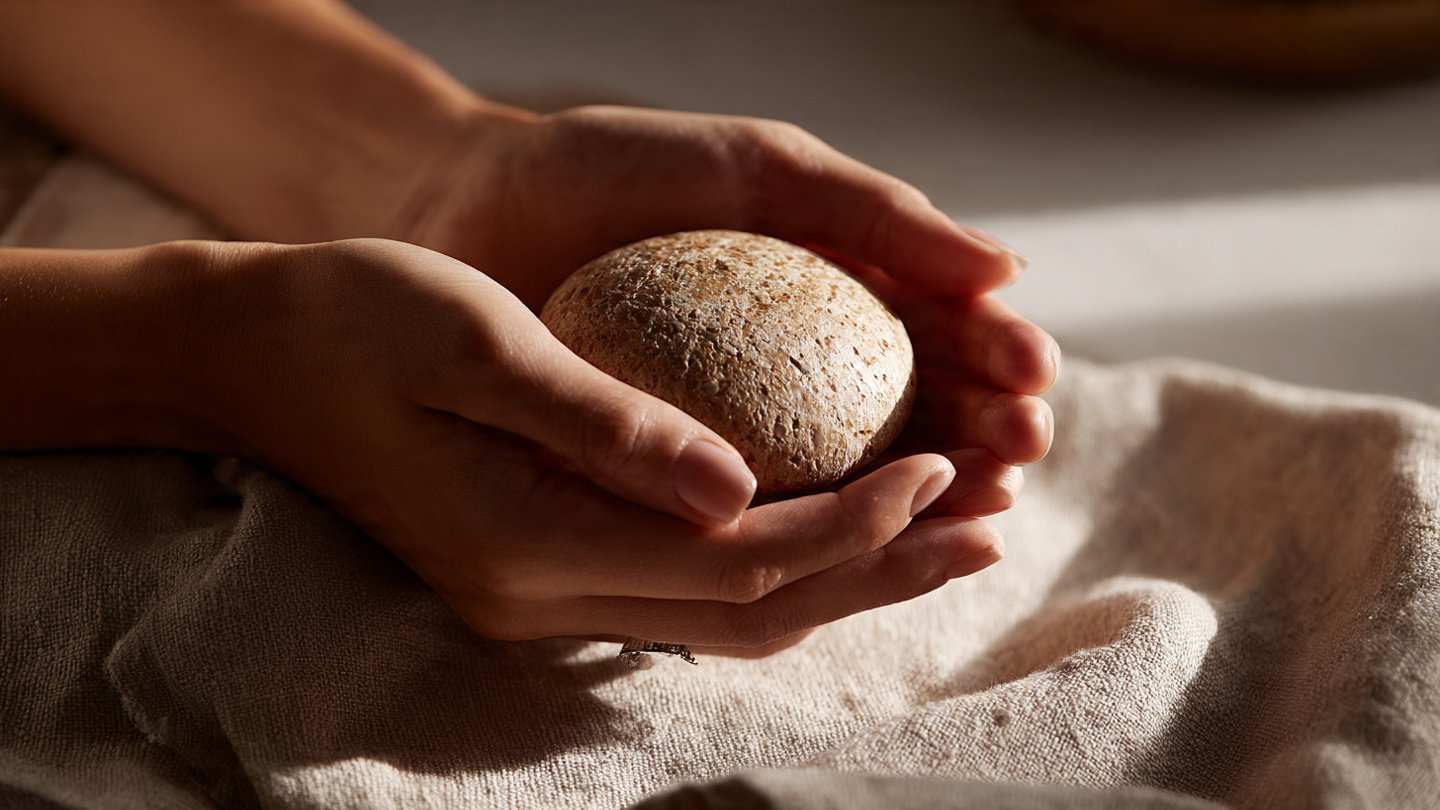
Some materials remember.
They carry the climate they grew in, the hands that shaped them, and the time that passed before they reached their final form. These materials do not arrive as blank surfaces. They arrive with character.
Industrial production seeks to erase this memory. Standardization smooths edges, neutralizes variation, and removes context. What remains is consistency—but at the cost of meaning.
Craft works in the opposite direction.
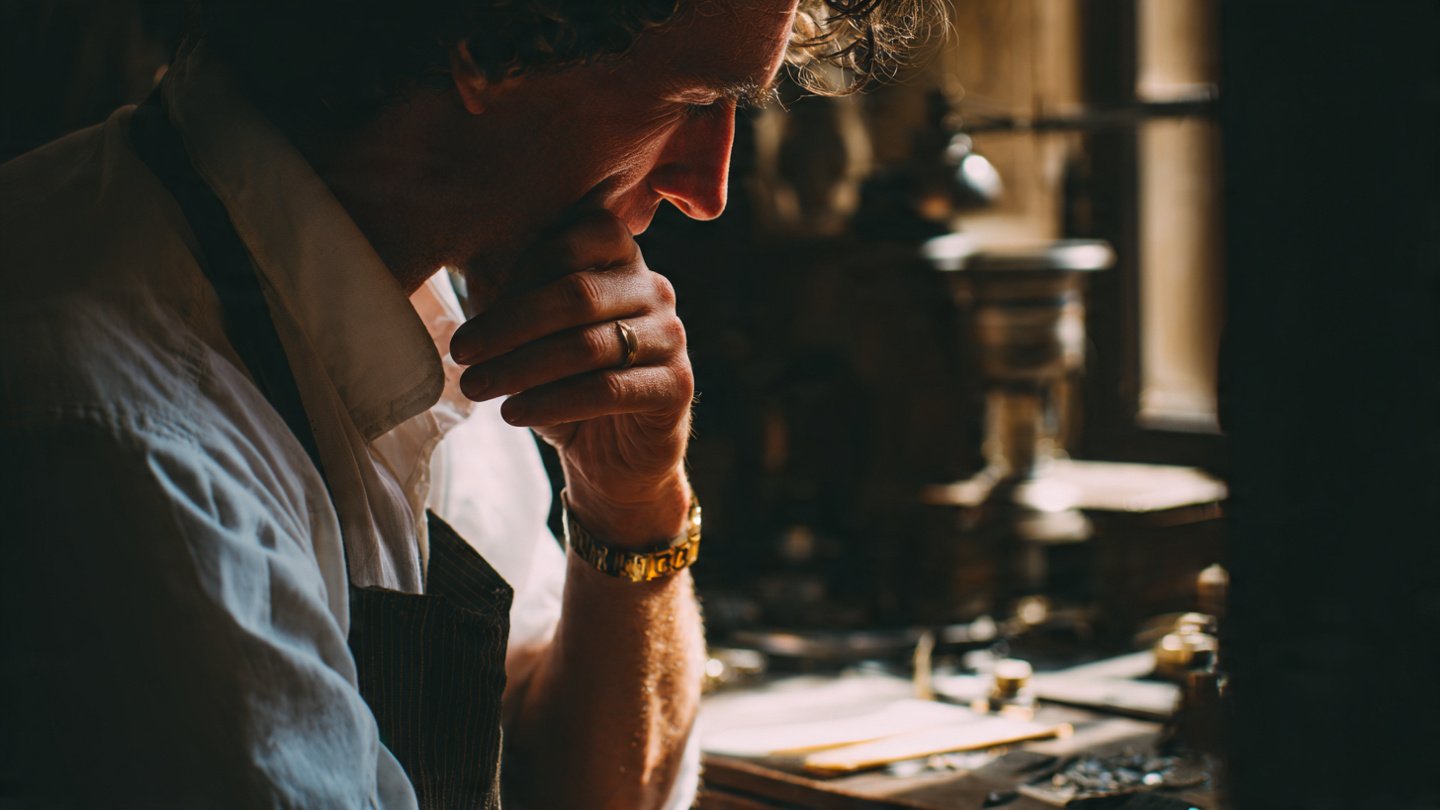
In handcrafted processes, materials are not forced into uniformity. They are observed. Responded to. Allowed to express their differences. A botanical harvested in one season will never behave exactly like the same plant harvested in another.
Oils thicken or thin depending on temperature. Clays, fibers, leaves, and resins shift subtly over time.
These shifts are not defects. They are evidence.
When a material retains memory, the maker must listen. Adjust. Decide. Each batch becomes a conversation rather than a command.
This is where judgment replaces automation, and attentiveness replaces repetition.
“Memory is what gives objects depth.”
It is why two bars of handcrafted soap may feel related but never identical. Why a tea blend can taste familiar yet slightly different each time. Why natural fragrance evolves on the skin rather than remaining static.
This evolution is not inconsistency. It is life.
Luxury, at its highest level, has always respected materials with memory. It understands that refinement is not about erasing origin, but honoring it.
What endures is not what looks perfect on day one, but what continues to reveal itself over time.
Objects made this way do not demand attention.
They earn it—slowly, quietly, and permanently.